Rye Lane guide to rubbish removal for local shops
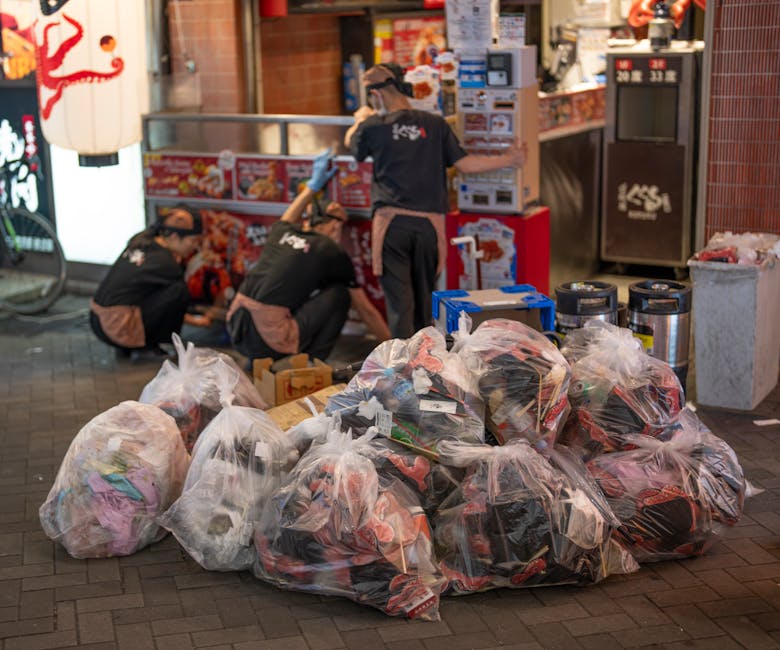
If you run a shop on or near Rye Lane, rubbish removal is one of those jobs that quietly shapes everything else. A clean frontage helps customers walk in without hesitation, staff can move safely, and stockrooms stop turning into a bit of a nightmare by Thursday afternoon. This Rye Lane guide to rubbish removal for local shops is built for the real world: tight back spaces, mixed waste, delivery boxes, broken fittings, and the occasional urgent clear-out when you just need the place back under control.
Truth be told, most shop waste problems are not dramatic on their own. A few cardboard piles here, a damaged chair there, a fridge that finally gives up, and suddenly the back of the premises feels full. The good news? With a sensible system, local shops can keep waste moving without disrupting trading hours. Below, you will find a practical guide to how rubbish removal works, what to watch for, and how to choose the right approach for a busy Rye Lane business.
Why Rye Lane guide to rubbish removal for local shops matters
Rye Lane has a pace of its own. Footfall changes through the day, deliveries arrive when they arrive, and shopfront space is often at a premium. For local shops, rubbish removal is not just about getting rid of waste; it is about keeping trading conditions manageable. Overflowing bags at the back door, broken packaging left by the till, or old fixtures stored "just for now" can quickly affect staff morale and customer experience.
There is also a practical business angle. Waste left unmanaged tends to cost more in time than people expect. Staff spend longer navigating clutter, cleaning up spillages, and moving items around the same cramped storage area. In a small shop, that can mean lost selling space. In a busy one, it can mean a safety issue. And if you have ever tried to shift a stack of wet cardboard before the morning rush, you already know it is not a pleasant job.
For Rye Lane businesses, the smartest rubbish removal approach is usually the one that is regular, predictable, and suited to your type of waste. A convenience store, barber, cafe, mini-market, phone shop, or clothing retailer will all produce different waste streams. The trick is matching the removal method to the mess you actually have, not the mess you hope you will have less of next week.
Expert summary: The best rubbish removal system for a local shop is the one that keeps the shop clear, protects staff, and prevents waste from building up in the first place. Small, regular actions beat one huge panic clear-out every time.
How rubbish removal for local shops works
At a basic level, rubbish removal for local shops is simple: waste is sorted, gathered, loaded, and taken away for disposal or recycling. The details matter, though. A proper service usually starts with understanding what type of waste you generate, how much you have, and how easy it is to access the items from your premises.
In practice, the process often looks like this:
- Identify the waste type. Cardboard, packaging, general rubbish, old shelving, damaged furniture, appliances, and confidential material should not all be treated the same way.
- Estimate the volume. A couple of sacks is very different from a full stockroom clear-out. Even a rough estimate helps avoid delays.
- Check access. Is there rear access? A narrow staircase? Limited loading space? These things affect how the job is done.
- Book the removal at a sensible time. Many shop owners prefer early mornings, closing time, or a quieter trading window. That avoids awkward interruptions.
- Separate anything sensitive or restricted. Documents, electrical items, fridges, and anything potentially hazardous need careful handling.
- Clear the waste and tidy the area. The best jobs leave the shop ready to use again, not just emptied.
A well-organised waste removal visit can be surprisingly efficient. You will often notice that once the clutter starts moving, the whole space feels different. Cooler, even. Less mental noise. That matters when you are trying to serve customers while keeping the place presentable.
If your shop also produces office-style waste, old desks, packaging from deliveries, or surplus storage items, the broader business waste removal service can be a good fit. For smaller one-off clearances, a general waste removal option may be enough.
Key benefits and practical advantages
There are obvious reasons to remove rubbish, but the quieter benefits are often the ones shop owners appreciate most after the fact.
- Cleaner customer-facing areas. If customers can see your back-of-house clutter, it affects the feel of the business. Not always consciously, but they notice.
- Safer staff movement. Clear walkways reduce trips, blocked exits, and awkward lifting around tight corners.
- Better stockroom use. Waste takes up space that could be used for stock, supplies, or equipment.
- Less stress during busy periods. A tidy shop is easier to manage when trade suddenly picks up.
- Improved recycling opportunities. If waste is sorted properly, more of it can be diverted from general disposal.
- Fewer last-minute emergencies. Regular removal prevents the classic "we have nowhere to put this" moment.
There is also a professional reputation angle. A neat, well-run premises sends the right signal. Whether you sell food, clothes, services, or electronics, customers tend to trust businesses that look on top of things. Nobody wants to pick up a coffee next to a teetering pile of flattened boxes and think, well, that does not look ideal.
If your shop has larger discarded items such as counters, display units, or worn seating, it may help to look at furniture disposal or furniture clearance where appropriate. For old appliances, there is a dedicated fridge and appliance removal service that is much safer than trying to improvise with a trolley and good intentions.
Who this is for and when it makes sense
This guide is for any Rye Lane shop owner, manager, leaseholder, or site supervisor who has to deal with waste in a working retail space. That includes independent businesses, small chains, market-adjacent shops, and premises with a mixed use back room.
It makes sense especially when you are facing one of these situations:
- a stockroom has become cluttered with packaging and broken items
- old fixtures, shelves, or point-of-sale units need removing
- the business has had a refit and needs the leftovers gone quickly
- cardboard and general rubbish are building up faster than collection points can handle
- you are preparing for an inspection, a handover, or a tenancy change
- you want a one-off clearance rather than a permanent waste contract
Some shops need rubbish removal after a busy trading week. Others only need it after a seasonal reset, a delivery surge, or a renovation. A cafe might need regular waste and occasional appliance removal. A clothing shop may need packaging and broken display furniture cleared. A barber or salon might need a mix of general waste, old units, and sometimes confidential shredding for paperwork. Different pressure, same basic need: get it out safely and without fuss.
If your premises are part shop, part office, you may also find office clearance useful for desks, filing cabinets, and surplus equipment. It is one of those services people only discover when they finally get tired of working around the old printer that nobody wants to carry downstairs.
Step-by-step guidance
Here is a practical way to handle local shop rubbish removal without turning it into a weekly headache.
1. Walk the space with fresh eyes
Start at the front and move through the shop, storage area, and back-of-house sections. Look at what is actually rubbish and what is merely being stored badly. The distinction matters. A box of seasonal stock is not waste, but a broken display stand probably is.
2. Separate the waste into sensible groups
Keep cardboard, general rubbish, reusable items, electrical items, and anything potentially hazardous separate where possible. Even a quick sort saves time later. If you mix everything into one pile, removal becomes slower and recycling opportunities shrink.
3. Flag anything that needs special handling
Fridges, freezers, fluorescent tubes, damaged batteries, chemicals, and confidential papers need proper attention. Do not just put them out with the rest and hope for the best. For anything more sensitive, it is safer to use a dedicated route such as hazardous waste disposal or confidential shredding.
4. Measure access before the collection day
Can the team get through the back alley? Is the stairwell narrow? Will large items need to be dismantled first? A five-minute check can save a lot of awkward lifting and noise later. If a fridge has to come down a tight stairwell, you really want to know that before the truck is outside.
5. Choose the right time slot
For local shops, timing is half the battle. Early morning, just after closing, or during a quieter period can keep the disruption low. If your business is on a stretch like Rye Lane, where the day can change fast, timing matters even more than usual.
6. Ask about loading, recycling, and disposal
A proper provider should explain what happens next. That includes what will be recycled, what may need specialist disposal, and whether the job is a one-off clear-out or part of a broader waste plan. If you want to compare the commercial side of things, the pricing and quotes page is a useful place to understand how jobs are typically approached.
7. Keep a simple record
Even for a small shop, it helps to note what was removed and when. Not because paperwork is glamorous, obviously, but because it helps with planning and accountability. A tiny notebook, spreadsheet, or shared staff note is enough.
Expert tips for better results
After a while, a pattern emerges. The shops that stay on top of rubbish tend to do a few simple things consistently.
- Use a daily five-minute reset. At close, clear the cardboard, flatten what can be flattened, and move waste to one designated spot.
- Keep one clear waste route. If staff always know where waste goes, there is less "temporary" clutter spread across the shop.
- Label the awkward stuff. If something cannot be dumped with general waste, mark it early. Future-you will be grateful.
- Book before the pile becomes a problem. Waiting until the stockroom is full usually means more disruption and higher stress.
- Plan around deliveries. Waste collection and delivery days should not fight each other for the same doorway.
- Make recycling obvious. A separate area for cardboard and clean packaging is easy to maintain when it is set up properly.
One little practical observation: cardboard behaves like it has a secret grudge against tidy spaces. Leave it untouched for two days and it starts to dominate a room. Better to keep on top of it while it is still manageable.
Where shops are doing refits or removing old units, services such as builders waste clearance can be helpful for mixed renovation waste, especially when there is timber, plasterboard, packaging, and odd offcuts all in one go.
Common mistakes to avoid
Most rubbish removal problems are not caused by huge failures. They are caused by small avoidable decisions repeated over and over.
- Leaving waste in the back room "for later". Later often becomes next week, and next week becomes a blocked exit.
- Mixing everything together. That makes sorting harder and can reduce recycling.
- Forgetting about restricted items. Fridges, electronics, and certain waste types cannot simply be treated as ordinary rubbish.
- Underestimating access issues. A clearance job can go from easy to awkward very quickly if the route is not checked.
- Not planning around trading hours. There is nothing clever about having a clearance crew try to move bulky items through a queue of customers.
- Assuming all waste services are the same. Some are better suited to general shop waste, others to furniture, appliances, or specialist items.
One more thing. Do not let staff make ad hoc decisions on anything sensitive. It is far better to have a simple rule than a dozen half-remembered guesses. To be fair, that keeps everyone out of trouble.
Tools, resources and recommendations
You do not need a complicated system to manage shop waste well. A few straightforward tools are usually enough.
- Heavy-duty bin bags or sacks for everyday rubbish
- Flattening tools or box cutters for cardboard and packaging
- Clear labels for waste types and storage areas
- A basic checklist for opening or closing routines
- Mobile phone photos to document bulky waste before collection
- A shared calendar for collection days and delivery cycles
For businesses looking to understand broader sustainability choices, recycling and sustainability is a sensible reference point. It helps when you want to make better decisions about what can be recovered, what should be separated, and what simply needs to go.
If you are unsure whether a specific item is suitable for a skip-style collection or a separate waste pickup, what can go in a skip is useful background reading. Not every shop needs a skip, of course, but the logic around item types and disposal limits is still helpful.
Law, compliance, standards, or best practice
For local shops in London, the safest approach is to treat waste as a managed business responsibility, not a side task. That means keeping waste under control, using a provider that handles items appropriately, and avoiding careless disposal of anything that could cause a problem later.
Without getting tangled in legal jargon, the key principles are straightforward:
- Duty of care matters. Businesses should know where their waste goes and ensure it is handled properly.
- Special waste needs special handling. Electrical items, fridges, sharps, chemicals, and confidential documents should not be mixed into general rubbish.
- Health and safety comes first. Staff should not be asked to lift, carry, or store items in unsafe conditions.
- Insurance and access should be clear. If a removal team is working around customers or tight spaces, the method should reflect that.
If you are comparing providers, it is worth checking how they describe their approach to safety and site care. You can also review health and safety policy and insurance and safety details if you want a clearer picture of how they think about risk and site handling.
For businesses dealing with packaging, refurb waste, or shop-fit debris, understanding broader expectations around disposal standards is part of running a clean operation. It is not about being perfect. It is about being careful, consistent, and sensible. That is usually enough.
Options, methods, or comparison table
There is no single best rubbish removal method for every Rye Lane shop. It depends on the type of waste, the amount, and how quickly you need it gone.
| Method | Best for | Strengths | Watch-outs |
|---|---|---|---|
| Regular small-bin collection and sorting | Day-to-day shop waste | Simple, low disruption, easy to maintain | Can struggle with bulky items or sudden clear-outs |
| One-off waste removal | Seasonal clear-outs, stockroom refreshes, small refurb jobs | Flexible and fast | Needs clear access and good item sorting |
| Furniture or appliance-specific removal | Old counters, display units, fridges, seating, equipment | Suited to awkward or bulky items | May need advance notice for special handling |
| Full shop clearance | Refits, closure, handovers, major decluttering | Thorough, efficient, space-restoring | Requires planning, timing, and clear instructions |
For many local shops, the best setup is a mix: routine waste control for everyday materials, then a call-in service when bulky or unusual waste appears. If you have a back office or storage area to clear, an office clearance can be more practical than trying to piece the job together item by item.
Case study or real-world example
Imagine a small retail shop on Rye Lane that sells clothing and accessories. Over a few busy weeks, the back room fills up with flattened boxes, damaged hangers, a broken display rack, and a couple of old shelves that were meant to be dealt with "after the weekend". Then a new delivery arrives. Then another. The space starts shrinking fast.
By the time the owner looks properly, staff are stepping around piles to get to stock. Customers do not see the back room, but the clutter starts affecting how smoothly the shop runs. A clearance is booked for a quiet morning before opening. The waste is separated into cardboard, general rubbish, and bulky items. The shelves and broken display pieces are removed. The back room is left usable again, which sounds simple enough, but it changes the day immediately.
That is the real value of local rubbish removal: not drama, just relief. The shop feels lighter. Staff move more easily. The owner can see what stock they actually have. And yes, the whole place smells a bit less like old packaging and damp tape. Small win, but a proper one.
Practical checklist
Before you book a rubbish removal visit, run through this quick checklist.
- Have you separated general waste from bulky items?
- Have you identified any fridges, appliances, batteries, or hazardous materials?
- Is confidential paperwork stored away for shredding?
- Do you know where the waste is located and how easy it is to access?
- Have you chosen a time that will not interfere with trading?
- Have you taken photos of larger items if you need to explain the job clearly?
- Have you checked whether furniture, office waste, or builders-style debris needs a specific service?
- Have you made a note of what should stay and what should go?
- Is the route to the loading point clear?
- Will staff know what to do on the day?
If you can tick most of those off, you are in decent shape. If not, do not worry. A little preparation goes a long way, and even a half-hour of sorting can save much more time later.
Conclusion
For Rye Lane shops, rubbish removal is not a luxury job or an afterthought. It is part of keeping the business usable, safe, and ready for customers. The better the system, the less it interrupts everything else. That is really the point.
Start small if you need to. Build a simple waste routine, separate awkward items early, and use the right type of removal service when waste gets beyond what your staff can comfortably manage. A tidy shop is easier to work in, easier to sell from, and much easier to care about on a long Thursday afternoon.
Get a free quote today and see how much you can save.
If you want to learn more about the team behind the service, you can read about the company on the about us page or use the book online option when you are ready to move forward. Either way, the aim is simple: make the waste disappear, and give your shop room to breathe again.
Frequently Asked Questions
What is the best rubbish removal option for a small shop on Rye Lane?
For most small shops, the best option is a mix of regular waste control and occasional one-off removal for bulky or unusual items. That keeps day-to-day clutter down without overcomplicating things.
Can I put broken shop furniture in general rubbish?
Usually no, not if it is bulky or difficult to handle. Broken counters, shelving, chairs, and display units are often better handled through a furniture-focused clearance or wider waste removal service.
What should I do with an old fridge or freezer from the shop?
Use a proper appliance removal route rather than trying to dispose of it with general rubbish. Fridges and freezers need careful handling, especially because of their size and components.
How do I deal with cardboard from daily deliveries?
Flatten it, keep it separate from food waste or general rubbish, and clear it regularly before it builds up. Cardboard is easy to manage when it is not left to take over the back room.
Do I need special disposal for confidential papers?
Yes, if the papers contain customer, staff, or business information. Confidential shredding is the safer approach and helps reduce the risk of sensitive information being left lying around.
Is rubbish removal disruptive to customers?
It does not have to be. If you time the job carefully, choose the right access point, and prepare the waste in advance, disruption can be kept very low.
What happens if my shop has mixed waste after a refit?
Mixed waste from a refit is common. It is usually best handled as a broader clearance, especially when there are timber offcuts, packaging, broken fittings, and other leftover materials together.
How far in advance should I book rubbish removal?
As soon as you know the job is needed, ideally before waste starts causing a problem. Even a short lead time can help with timing and access planning.
Can I get help with office-style waste as well as shop waste?
Yes. If your premises include a back office, filing area, or admin room, office clearance may be the most practical way to clear desks, chairs, and equipment in one go.
What should I check before booking a collection?
Check the type of waste, how much you have, access to the items, and whether any special handling is needed. A quick photo set can help a lot. Honestly, it saves back-and-forth later.
Is recycling worth organising for a small shop?
Yes, even a small amount of recycling makes a difference. Cardboard, some packaging, and other recoverable materials are often worth separating because they are easier to manage and usually keep the premises tidier.
What if I am not sure whether an item counts as hazardous waste?
If you are unsure, treat it cautiously and ask before moving it with general rubbish. Hazardous waste should not be guessed at. When in doubt, keep it separate until it is properly identified.
For any shop owner trying to keep Rye Lane trading smoothly, the message is simple: start with what is messy now, not what might become messy later. That one habit changes a lot.