Business Waste Removal in Peckham
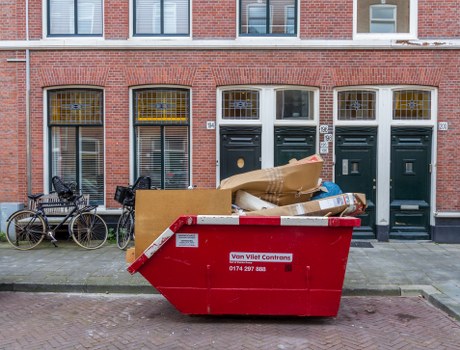
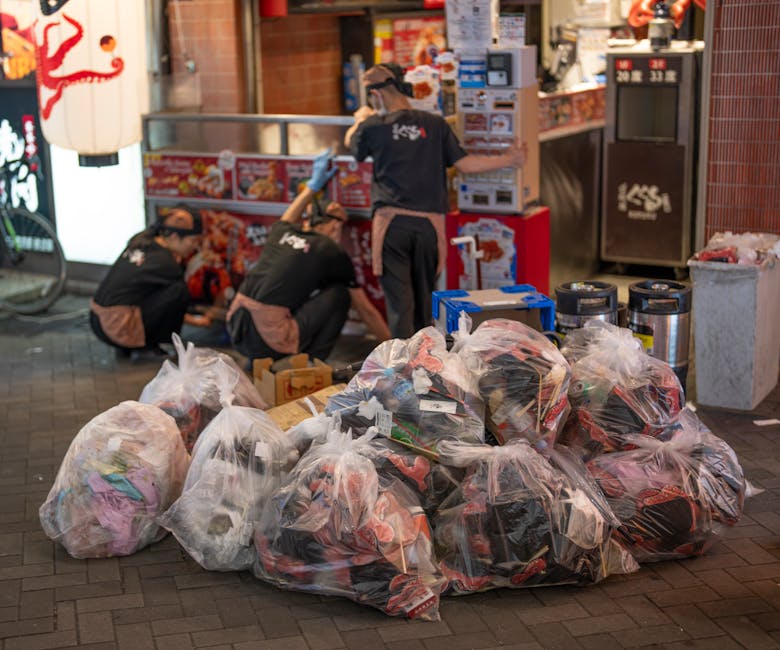
Business waste removal in Peckham should be straightforward, compliant and planned around the way your premises actually operate. We provide a practical service for offices, shops, hospitality venues, workshops and managed properties that need waste collected without disrupting day-to-day work. The focus is on clearing commercial waste responsibly, separating reusable or recyclable materials where possible, and making sure the process is handled with the right care from start to finish.
For many organisations, the main value is simple: waste leaves the site in a controlled way, the area is left ready for normal use, and the work is documented in a way that supports record-keeping. Business waste streams can vary widely, so our approach is shaped by the type of material, how it is stored and how quickly it needs to be taken away. If you need a collection planned around opening hours or access limits, that can be discussed in advance. Ask for a quotation when you are ready to compare the options for your site.
Our commercial collection work is suitable for routine clearances, one-off office changes, stockroom tidy-ups, equipment disposal and premises refreshes. It can also help when a business has accumulated mixed items that are no longer suitable for internal handling. The aim is always to make disposal clear and manageable rather than leaving you to sort every load yourself. If you have a specific waste type in mind, we can talk through the safest and most efficient way to deal with it.
Commercial waste collection tailored to your premises
Every workplace produces waste in a different way, so the service needs to match the site rather than force the site to fit the service. A compact office may need the removal of packaging, broken chairs and outdated paperwork storage, while a hospitality business may need bulky back-of-house items shifted at the right time. We plan collections around access, load size and the practical limits of the building, which helps avoid unnecessary disruption.
Where businesses have mixed waste, it is often useful to separate items before collection, but this does not need to become a complicated task. A clear list of what is being removed is usually enough to shape the job properly. Typical commercial items can include office furniture, shelving, cartons, archive material, displays and general non-hazardous rubbish. Our pricing and quotes page may help if you want to understand how the scope of a collection can affect the final figure.
What helps a collection run smoothly
Simple preparation can make the collection easier without turning it into a major project. In many cases it is useful to identify which items stay and which go, make sure waste is reachable and note any access restrictions such as loading bays, lift use or narrow stairwells. If you can share approximate volumes, item types and any time limits, we can shape the job accordingly. That sort of information helps ensure the removal is practical from the outset.
Office clearances and equipment disposal

Office waste removal often involves more than just a few bags of rubbish. Desks, filing cabinets, partitions, chairs, monitors and storage units can all build up when a workspace changes use, relocates or refreshes its layout. We deal with these items as part of a planned clearance so that the space can be emptied in a sensible order. For sites handling confidential documents or sensitive materials, extra care may be needed to separate shredding from ordinary waste.
Equipment disposal requires particular attention because offices frequently contain mixed materials. Metal frames, plastics, cables and electronics may all appear in the same area, and it is better to deal with them in a way that supports recovery and recycling where appropriate. Office clearance can be a useful page to review when you are planning a larger workspace change, while confidential shredding is relevant if paperwork destruction needs to be handled separately from other waste.
Some organisations want a light-touch clearance of surplus items, while others need almost everything removed from a room or floor. Either way, the objective is to leave the area suitable for reuse, refurbishment or handover. We can also take into account how access works in shared buildings, whether items need to be carried from upper levels, and whether there are limits on when waste may be moved through common areas.
Furniture, fixtures and bulky items
Bulky commercial waste tends to create the most immediate space problems, especially when a business is replacing furniture or changing the function of a room. Chairs, tables, cabinets, reception desks and shelving can be awkward to move and may need dismantling before removal. Our service is designed to deal with that kind of load in an organised way, reducing the amount of handling your team needs to do.
For many premises, furniture disposal is part of a wider improvement plan rather than a standalone job. A café might be clearing broken seating, an office may be replacing workstations and a studio may be removing old storage or display units. Furniture disposal provides a clearer route for those items, and furniture clearance is equally relevant when multiple pieces need to go together. Where items are still in usable condition, it can be sensible to consider whether any can be kept separate from waste.
Bulky items may need planning around doors, stairways and internal routes, particularly in buildings where access is shared or space is tight. If a piece has to come apart before it can be moved, that may affect the best order of work. We do not treat large items as a special case for the sake of it; rather, we handle them in a way that is sensible for the premises and practical for the collection team.
Builders waste and refurbishment debris
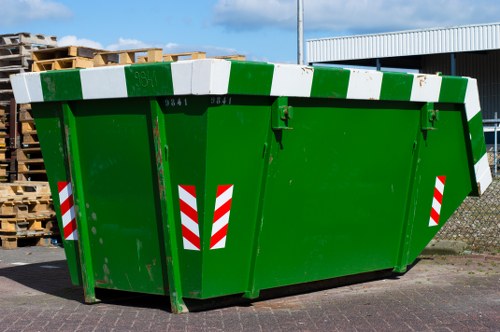
Business waste removal in Peckham can also include debris left behind after light refurbishment, fit-out work or maintenance. Commercial sites often produce a mixture of packaging, offcuts, damaged fittings, old fixings and broken materials when a room is updated. These loads are best handled separately from ordinary day-to-day rubbish because they can be heavier, messier and more varied in composition. A planned collection keeps the job more manageable.
Our builders waste clearance page covers situations where renovation waste needs to be collected from a workplace, unit or managed property. This kind of clearance may include timber offcuts, plaster fragments, tiles, packaging, small fixtures and other non-hazardous material associated with works. It is important to distinguish that from hazardous waste or specialist items that need separate handling, which is why a clear description of the load is useful before any collection is arranged.
- Room refreshes and light refits
- Broken fittings and redundant fixtures
- Packaging, offcuts and general trade debris
- Mixed non-hazardous waste from small project work
Specialist waste streams and separate handling
Not every item should be placed into a general business clearance, and part of a responsible service is recognising where specialist treatment is needed. Fridges, certain appliances, mattresses, sofas and some hazardous materials may require separate handling, processing or documentation. Rather than treating all waste as identical, we help you identify what belongs in the main collection and what should be handled through a more specific route.
The relevant service pages can help you plan those categories properly. Fridge and appliance removal suits bulky white goods and similar equipment, while mattress and sofa disposal is relevant when soft furnishings are being cleared from a commercial setting. If your site generates materials that need extra caution, hazardous waste disposal is the place to review before arranging anything that needs controlled treatment.
Clear separation at the point of enquiry often makes the job cleaner and safer. It also helps avoid confusion when a business has a mixture of ordinary waste and items that cannot be processed in the same way. If you are unsure whether something belongs in a standard collection, it is better to describe it plainly than to assume it can be bundled in with everything else.
Pricing factors and planning your collection
Commercial waste removal is usually priced according to practical factors rather than a fixed one-size-fits-all rule. The type of waste, the amount to be removed, the amount of labour needed, access conditions and the presence of any specialist items can all affect the quotation. Mixed loads may also vary depending on how much sorting is needed before disposal. That is why accurate descriptions are more useful than broad guesses.
There are a few simple details that make a quotation more reliable. These are not complicated requests, but they do help the service fit the job properly: the type of waste, the approximate volume, the access route and any timing constraints. If you already know whether the load is mostly furniture, office material or renovation debris, that is a helpful starting point. Book online is available if you prefer to begin the arrangement process digitally, although a conversation can still be the better option for more complex clearances.
It is also sensible to think about whether the collection is a single visit or part of a staged clear-out. Some customers need a one-off removal after a refit, while others are dealing with backlogged stock, storage or end-of-tenancy work. When the job is planned clearly from the outset, the collection can be matched to the practical demands of the premises rather than to a generic waste format.
About Peckham
Peckham is a district in the London Borough of Southwark, in south-east London, with a long history shaped by movement, trade and urban change. The area was once rural and later became a settlement with market gardening and small industry before expanding rapidly in the nineteenth century as London’s population grew and transport links improved. Its Victorian and Edwardian streets include terraces, converted commercial buildings and older civic structures that reflect that period of expansion, while later redevelopment has introduced a mix of housing, shops and cultural venues. Rye Lane remains one of the best-known streets, and the surrounding area has long been associated with local retail, markets and everyday commerce. Peckham Rye is a significant green space within the broader district, offering a park landscape that contrasts with the denser streets nearby. The railway history of the area also matters: Peckham Rye station helped strengthen connections with the rest of London, shaping how the district developed and how people moved through it. Cultural life has become an important part of Peckham’s modern identity, with galleries, studios, food venues and community spaces contributing to a lively local character. Architecture varies widely, from older terrace rows and public buildings to contemporary developments, and that variety is one reason the area feels layered rather than uniform. The district is also close to other parts of south London, yet it maintains its own identity through its street pattern, market activity and mix of residential and commercial uses.
Waste removal for ongoing business operations
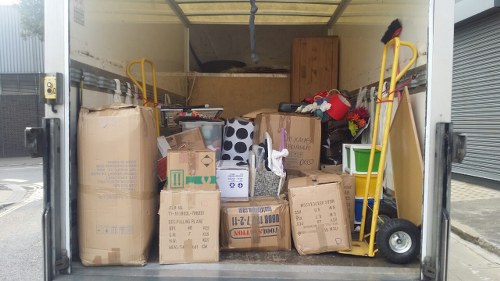
Many businesses need waste cleared as part of regular operations rather than as a one-off event. Storage rooms fill up, stock changes, fixtures wear out and old equipment eventually needs to go. Our service supports those practical moments when a commercial site needs to stay organised without allowing waste to build up and interfere with daily work. The aim is to remove what is no longer needed in a tidy, controlled way.
For landlords, managing agents and occupiers, a reliable clearance approach can help when units change hands or common areas need attention. It can also support businesses that are reconfiguring a room, making space for new stock or dealing with accumulated back-office clutter. Garage clearance and loft clearance may be relevant for premises where storage areas have become overloaded, while home clearance and house clearance pages are more suitable when domestic settings are involved rather than business premises.
Where waste is recurring, the best approach is often to establish a clear understanding of what normally needs taking away. That might include packaging, broken fixtures, redundant stock, shelving or mixed items from a back room. The more clearly the load is described, the easier it is to arrange a removal that works with the business schedule and the layout of the site.
Recycling, responsibility and final arrangements
Commercial waste should be handled with an eye on reuse, recycling and lawful disposal, not simply shifted out of sight. That is particularly important when a business is dealing with mixed loads made up of different materials and item types. A thoughtful collection process helps separate what can be recovered from what must be disposed of, and it supports a cleaner outcome for the premises as well as for the waste stream itself.
If sustainability is part of your decision-making, it may be worth reviewing our recycling and sustainability page alongside the main service pages. That can help you understand the broader principles behind how collected materials are managed. The final stage of the process is usually straightforward: confirm what needs removing, agree the arrangement that suits the premises and then proceed with the collection itself. Speak to us today if you want to move from planning to a formal quotation.
Whether you need a compact office cleared, a commercial store-room emptied or mixed business waste taken away after maintenance work, the service is built around practicality. The key is to match the waste type, the premises and the collection method sensibly, so the job can be completed without unnecessary complication. Request your quotation now and we can help you choose the most suitable route for the work.
Useful pages for related business services
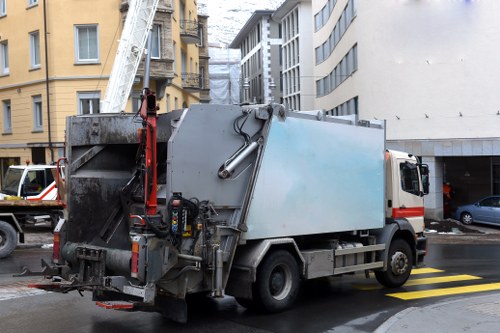
Some customers prefer to review a few related pages before choosing the exact scope of a collection. That can be especially useful when a site contains several waste types, or when one clearance is only part of a wider workplace change. In those cases, the service pages below give a clearer picture of the available options and how they are grouped. Waste removal is the broadest starting point, while business waste removal is the most direct match for this service area.
When a project is more specific, a narrower page can be more helpful than a general one. Flat clearance and garage clearance are there for different property types, and builders waste clearance is suited to post-work debris. If you want to compare those service groupings before making contact, use the pages that fit the material you need removed rather than trying to force everything into a single category.
The most useful next step is usually the simplest one: identify the waste, check the relevant page and then arrange the collection method that suits your premises. Contact us when you are ready to go ahead with a quotation for business waste removal in Peckham.